Bob haircuts for wavy hair create an ideal balance between manageable length and naturally expressive texture. Waves give classic bob shapes additional softness, movement, and dimension, allowing everything from blunt cuts to layered silhouettes to feel relaxed rather than overly structured. The right length can also help natural bends form more freely.
Choosing your best bob depends on wave pattern, density, face shape, and everyday styling habits. Some textures benefit from subtle layers that remove weight, while finer waves may look fuller with a stronger perimeter. Whether you prefer polished definition or intentionally tousled texture, these bob variations offer plenty of ways to showcase naturally wavy hair.
Why Wavy Bobs Keep Making Waves
Wavy bobs remain popular because they combine the recognizable structure of a classic haircut with texture that never looks completely rigid. Natural bends soften blunt perimeters, bring layered cuts to life, and create enough movement to make even simple bob shapes appear dimensional.
Their versatility also gives them lasting appeal. Waves can be air-dried for casual styling, diffused for greater definition, or smoothed into a polished finish when desired. Changing the part, bangs, or amount of texture can noticeably refresh the hairstyle without requiring a major change in length.
Layered Wavy Bob
A layered wavy bob allows natural bends to develop freely while preventing unnecessary weight from collecting around the lower perimeter. Carefully positioned layers can create movement throughout the crown and sides without making the haircut appear overly thin or fragmented.

Keep the layering appropriate for your density, since finer waves generally need more weight than particularly thick textures. Apply lightweight wave cream to damp hair, then scrunch gently and air-dry or diffuse. The resulting shape feels effortless and dimensional, making this bob an adaptable choice for both casual and polished styling.
Blunt Wavy Bob
A blunt wavy bob combines a strong perimeter with naturally soft texture, creating an attractive contrast between structure and movement. Keeping most strands at one length can make finer or medium-density wavy hair appear fuller through the ends.

Allow the waves to remain slightly irregular instead of trying to make every bend identical. Lightweight mousse can encourage body while maintaining enough flexibility for natural movement. A center part creates balanced framing, while shifting the part sideways introduces additional volume. This straightforward bob works beautifully when you prefer minimal layering but still want visible texture and personality.
French Bob With Natural Waves
A French bob typically falls around the jaw, giving natural waves a compact shape with plenty of character. The shorter length can encourage bends to spring upward, creating relaxed volume without requiring extensive heat styling or complicated finishing techniques.

Keep the perimeter softly defined and consider a light fringe if you enjoy additional framing around the forehead. Wave cream or mousse can enhance separation without making the texture stiff. This bob looks particularly appealing when allowed to remain slightly imperfect, giving naturally wavy hair an effortless finish that feels stylish without appearing excessively arranged.
Wavy Bob With Curtain Bangs
Curtain bangs create soft framing around the forehead and cheekbones while blending naturally into the movement of a wavy bob. Their divided shape works especially well with texture because slight bends prevent the fringe from appearing overly precise or rigid.
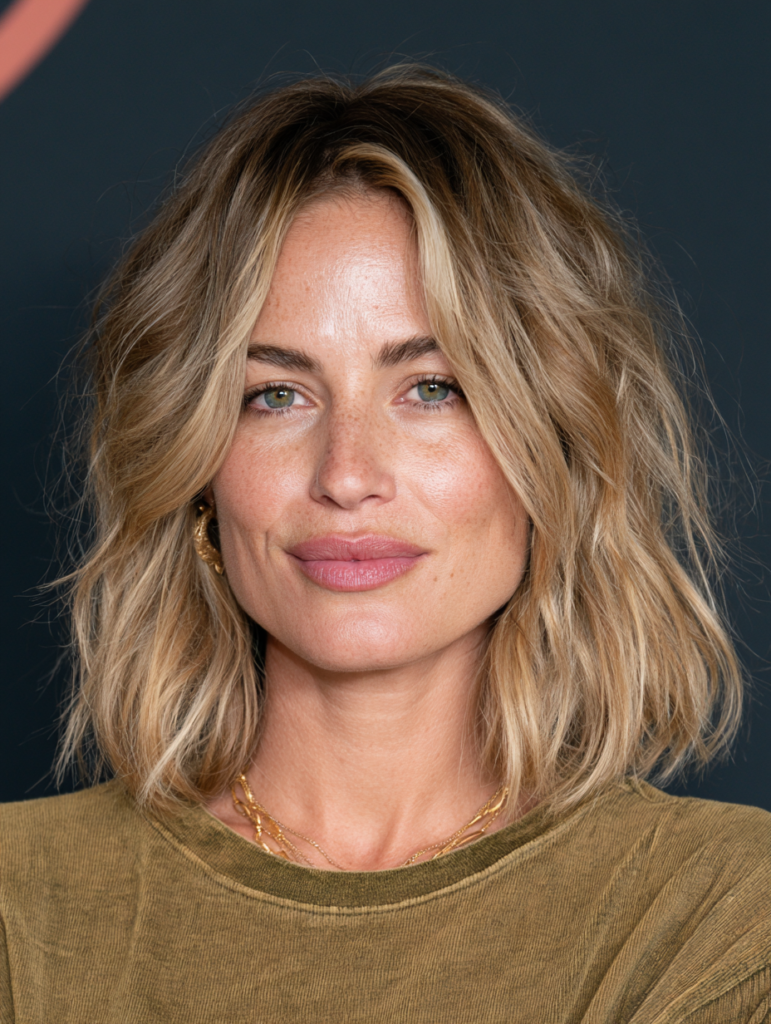
Keep the outer sections long enough to transition smoothly into the bob’s surrounding layers. Allow the bangs to air-dry naturally or direct them away from the face with a small round brush. This combination provides plenty of movement while maintaining an approachable silhouette that can easily shift between polished and relaxed styling.
Side-Parted Wavy Bob
A side part instantly introduces asymmetry and natural root lift to a wavy bob, making the hairstyle appear fuller and more dynamic. Allowing one side to sweep across the forehead can also create soft movement around the cheekbones and eyes.

Avoid forcing the waves into perfect uniformity because slight variations enhance the relaxed character of the haircut. A lightweight texture spray can provide definition while preserving flexibility. This versatile bob works across different densities and can be tucked behind one ear whenever you want a simple styling change with a slightly more polished appearance.
Shaggy Wavy Bob
A shaggy wavy bob uses relaxed layering to enhance natural texture and create an intentionally tousled silhouette. Shorter sections around the crown can encourage lift, while longer layers preserve enough weight for the waves to maintain definition through the ends.

Keep the layering blended unless you specifically want a dramatically choppy appearance. Scrunch lightweight mousse through damp hair and allow the natural pattern to develop with minimal manipulation. This bob suits anyone who prefers undone styling and wants a haircut that works with natural movement rather than requiring each section to sit perfectly in place.
Chin-Length Wavy Bob
A chin-length wavy bob keeps the silhouette compact while allowing natural texture to soften the perimeter around the face. The shorter proportions can make waves appear springier because less length is available to pull the bends downward.
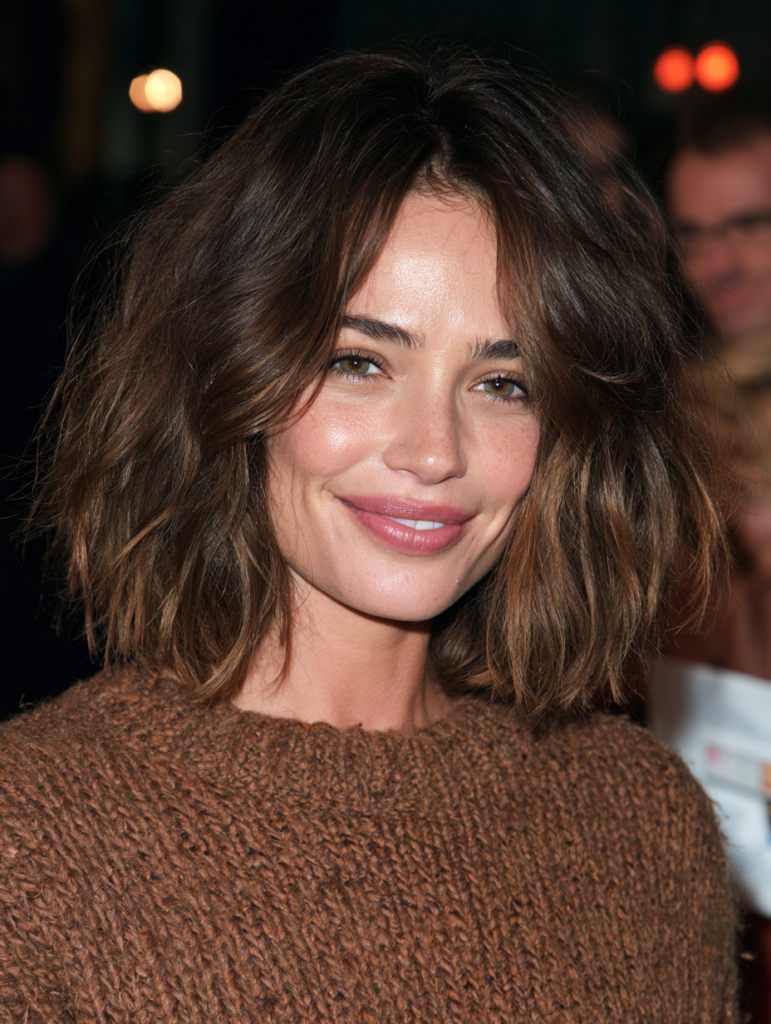
Choose subtle internal shaping if your hair is particularly thick, while finer textures may benefit from keeping the ends relatively full. Air-drying can create a relaxed finish, although diffusing provides greater definition when desired. This bob offers enough structure to look intentional while maintaining the easy movement that makes naturally wavy hair distinctive.
Inverted Wavy Bob
An inverted wavy bob keeps the back slightly shorter while gradually increasing length toward the front. Natural waves soften the angled construction, creating movement without hiding the distinctive forward direction that gives this haircut its recognizable silhouette.
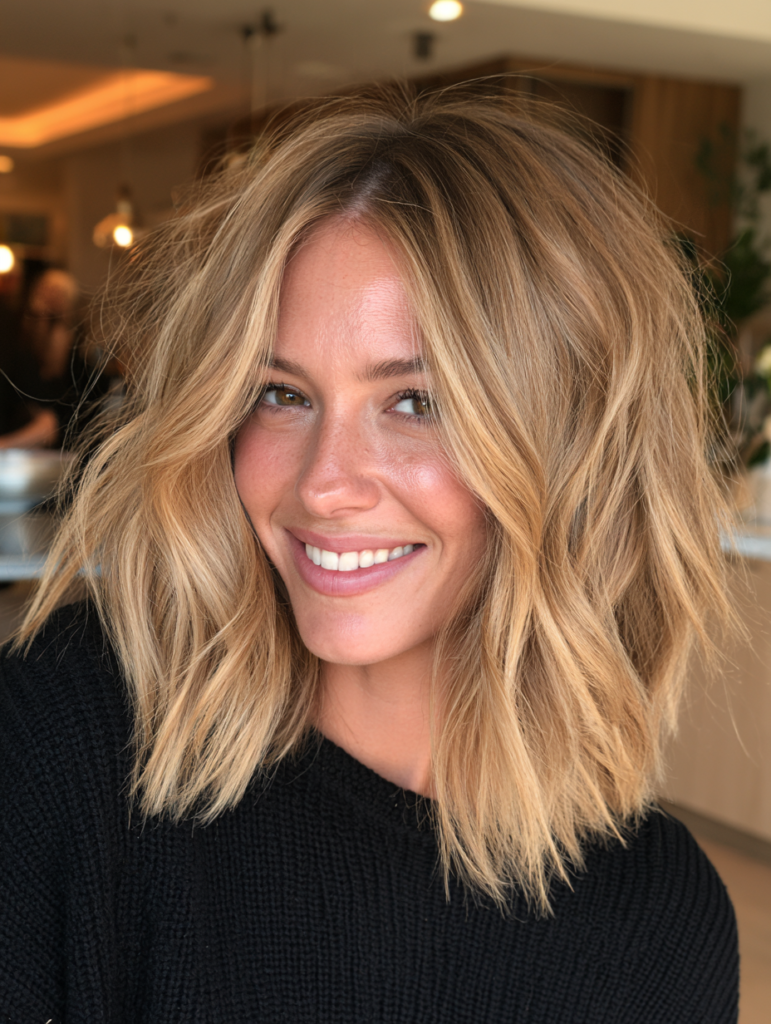
Keep graduation moderate if you want the hairstyle to remain relaxed rather than highly structured. Longer front sections can frame the jaw while waves provide additional dimension through the sides. Apply lightweight styling cream to reduce frizz, then diffuse or air-dry for a modern bob that combines architectural shape with natural softness.
Wavy Bob With Wispy Bangs
Wispy bangs introduce delicate texture across the forehead while complementing the loose movement of a wavy bob. Their lightweight construction prevents the fringe from dominating the hairstyle, making them particularly useful when you want bangs without a heavy, highly structured appearance.
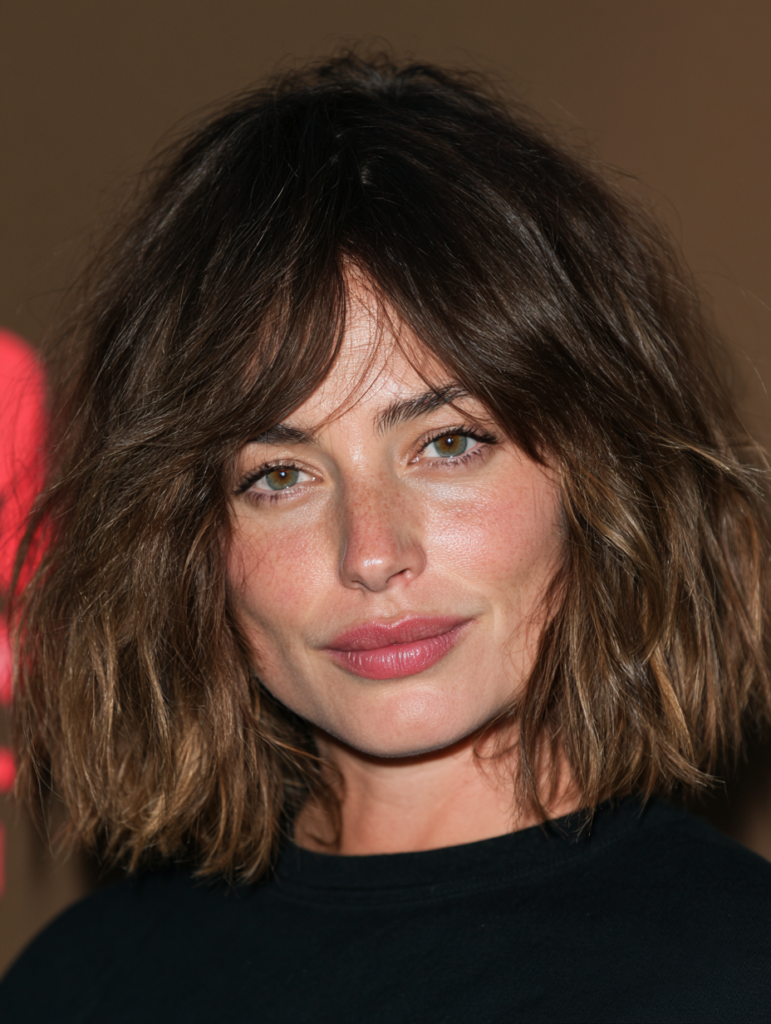
Allow slight bends to remain within the fringe so it connects naturally with the surrounding waves. Keep the bob softly layered for additional movement without sacrificing perimeter density. A small amount of mousse or wave spray can enhance separation, producing a casual finish that feels light, expressive, and comfortably wearable.
Rounded Wavy Bob
A rounded wavy bob distributes fullness through a softly curved silhouette, allowing natural bends to create dimension without producing an overly triangular shape. Strategic internal layers can help control bulk while preserving the substantial movement that gives wavy hair its appeal.

Keep the crown softly lifted and encourage the ends to follow their natural direction rather than forcing them completely inward. Lightweight smoothing cream can control frizz while maintaining bounce. This bob offers a balanced combination of structure and softness, making it especially attractive when you prefer fuller shapes with polished but natural-looking movement.
Asymmetrical Wavy Bob
An asymmetrical wavy bob keeps one side longer than the other, creating directional movement before texture is even introduced. Natural waves soften the uneven perimeter while reinforcing the haircut’s contemporary, expressive character.

A side part can emphasize the length difference and create additional lift around the crown. Keep the waves relatively loose so the asymmetry remains visible rather than disappearing beneath excessive volume. This distinctive bob can appear dramatic or subtle depending on the difference between both sides, offering an interesting alternative when traditional symmetrical shapes feel too predictable.
Collarbone Wavy Bob
A collarbone wavy bob provides additional length while maintaining the manageable proportions associated with bob hairstyles. The longer shape gives natural waves space to develop through the middle lengths and ends, creating flowing movement around the shoulders.

Long internal layers can prevent thick textures from becoming heavy, while finer waves may benefit from a stronger perimeter. Apply lightweight wave cream before scrunching and air-drying for an effortless finish. This longer bob also provides enough length for small ponytails and half-up styles, making it particularly versatile for changing routines.
A Styling Rhythm That Brings Natural Waves to Life
Styling bob haircuts for wavy hair generally works best when you enhance the existing pattern instead of repeatedly reshaping it. Apply lightweight mousse, wave cream, or leave-in conditioner to damp strands, then scrunch upward gently. Air-drying creates a relaxed result, while diffusing can provide stronger definition and additional root volume.
Avoid brushing dry waves repeatedly because this can separate the pattern and create unwanted expansion. Instead, detangle while the hair is damp and refresh individual sections with water or lightweight styling mist when necessary. For smoother occasions, broad heat-styled bends can provide polish while maintaining the bob’s characteristic movement.
Final Thoughts
Bob haircuts for wavy hair provide an impressive range of possibilities, from structured blunt shapes to tousled shags and longer collarbone cuts. Natural texture can soften precise lines, enhance layering, and create dimension without requiring elaborate styling every day.
The strongest bob should work with your individual wave pattern rather than forcing it into a predetermined shape. Fine waves may benefit from fuller ends, while thick textures can gain movement through strategic layering. Whether you prefer short French-bob proportions, curtain bangs, asymmetry, or relaxed shoulder-skimming waves, thoughtful shaping can help your natural texture become the defining feature of the hairstyle.
