Short stacked bob haircuts for thin hair can transform flat strands by building controlled volume through the back while keeping the overall silhouette neat and sophisticated. Graduated layers create natural elevation around the crown, helping finer hair appear fuller without depending entirely on styling products or constant teasing.
The secret is choosing stacking that supports density instead of removing too much weight. Soft graduation, substantial ends, longer front pieces, and strategic texture can provide shape while maintaining a healthy-looking finish. From sleek and classic to tousled and modern, stacked bobs offer numerous ways to give thin hair more dimension and personality.
What Keeps the Stacked Bob a Volume-Boosting Classic
The stacked bob has remained popular because its graduated construction creates shape exactly where thin hair commonly needs additional lift. Shorter layers underneath support longer sections above, producing natural elevation through the back and crown without requiring extreme styling techniques.
Modern versions are also highly customizable. Graduation can remain subtle for a softer appearance or become more defined for stronger structure. Adding an angled front, side fringe, waves, or light texture changes the personality completely. This versatility allows the stacked bob to stay relevant while continuing to address the practical needs of finer hair.
Classic Short Stacked Bob
A classic short stacked bob uses graduated layers through the back to create natural elevation while preserving longer sections toward the front. This controlled structure gives thin hair a fuller appearance without relying on excessive teasing or heavy styling products.
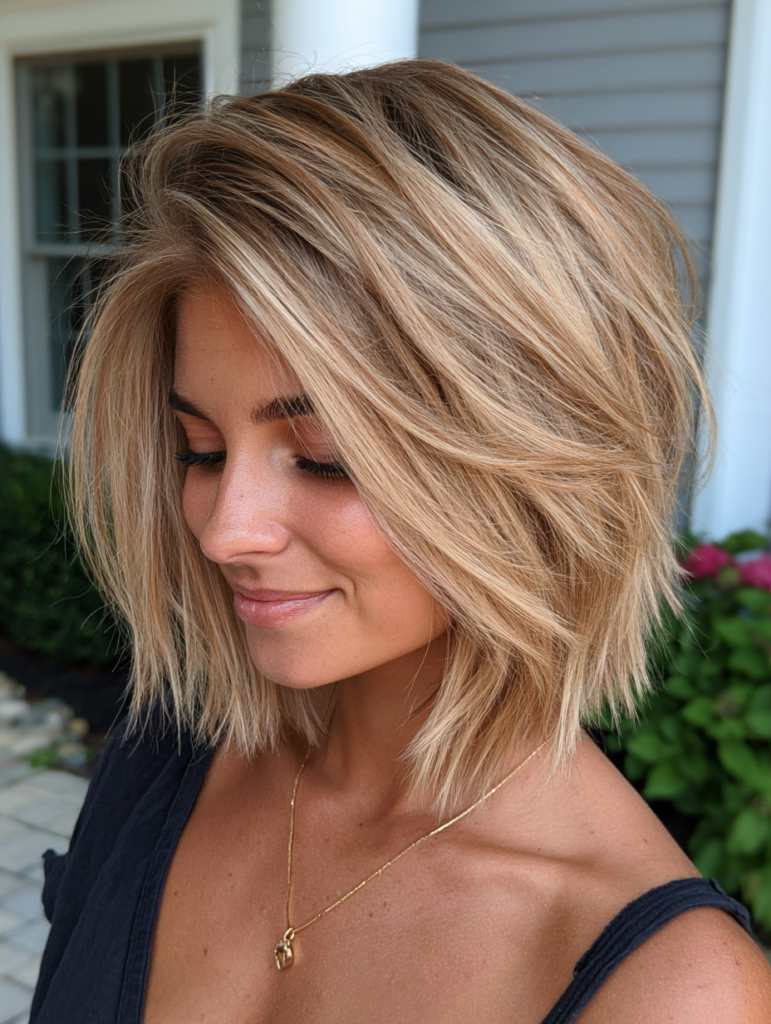
Keeping the perimeter substantial prevents the ends from appearing sparse, which is particularly important with finer strands. A small round brush can enhance the stacked shape during blow-drying while smoothing the surface. Finish with lightweight hairspray to preserve movement and maintain the haircut’s clean, softly rounded silhouette throughout the day.
Angled Stacked Bob
An angled stacked bob combines elevated layers behind the head with longer pieces that gradually extend toward the face. This forward progression creates a striking silhouette while helping thin hair retain valuable density around the sides and front.
Moderate stacking works best when you want noticeable crown volume without exposing sparse areas underneath. Keep the front perimeter relatively blunt for additional visual thickness. Styling the hair smooth emphasizes the graduation, while a slight inward curve through the ends creates softness. The finished shape feels polished, structured, and remarkably versatile for everyday wear.
Softly Graduated Stacked Bob
Soft graduation offers a gentler interpretation of the traditional stacked bob, creating subtle lift without dramatic differences between layers. This approach works beautifully for thin hair because it builds shape while preserving as much density as possible.
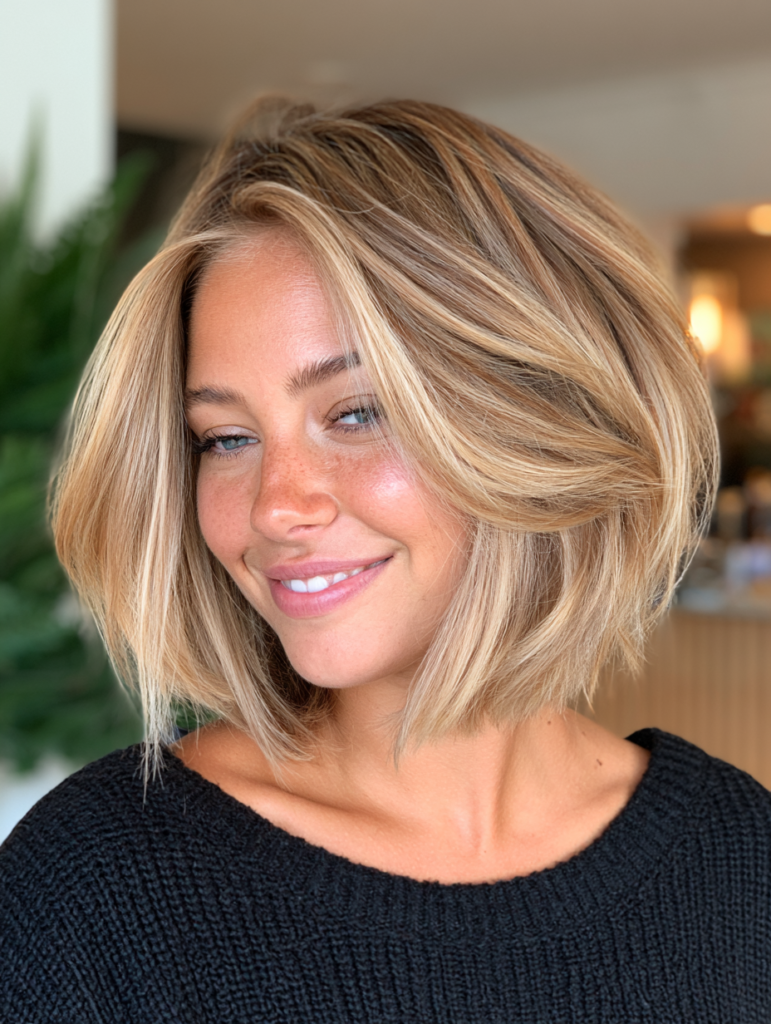
The back can remain softly rounded, with longer sections blending smoothly toward the jaw. Avoid aggressive texturizing through the ends, since a stronger perimeter helps delicate strands appear fuller. Blow-drying against the natural growth direction provides extra crown elevation, giving this understated bob enough volume to feel refreshed without appearing excessively sculpted or rigid.
Stacked Bob With Side-Swept Bangs
Side-swept bangs add movement across the forehead while the stacked back creates useful volume around the crown. Keeping the fringe relatively light ensures thin hair maintains enough density throughout the sides and main perimeter.
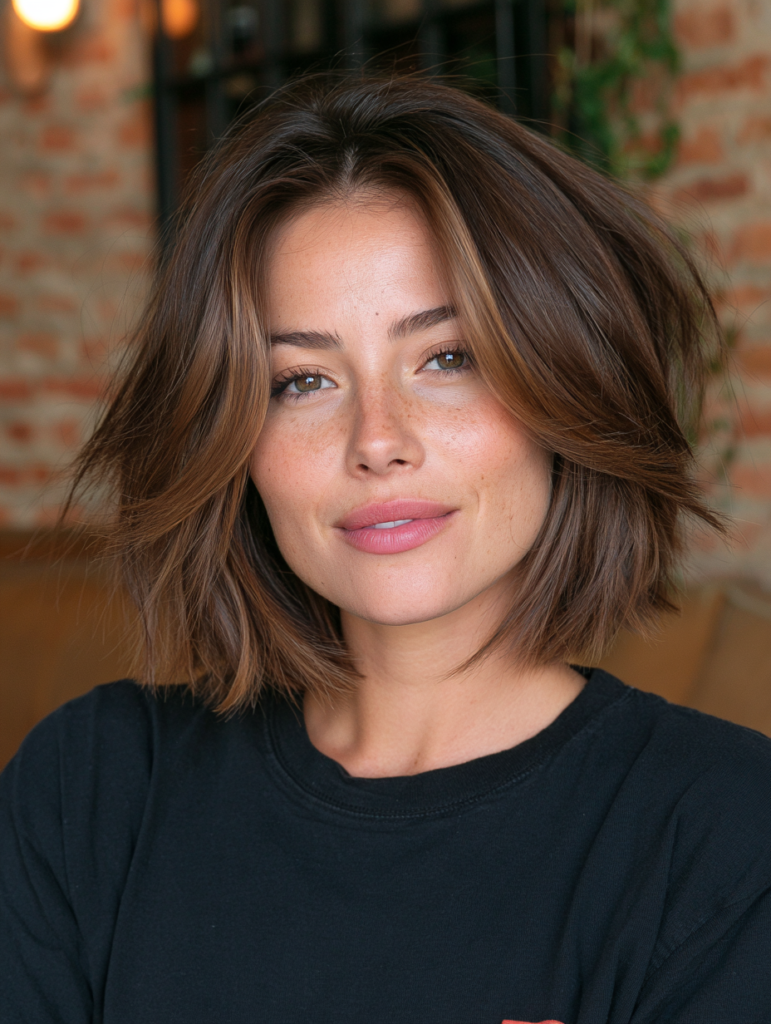
A deeper side part can further increase root lift and help the bangs fall naturally into their sweeping shape. Blend the longest fringe pieces into the front sections for a seamless transition. This combination offers softness without disguising the bob’s structured graduation, making it a flattering option when you want both noticeable volume and gentle face-framing movement.
Textured Short Stacked Bob
Light texture can make a stacked bob appear more dimensional by separating selected layers and emphasizing the haircut’s natural elevation. For thin hair, texturizing should remain controlled so the ends continue looking substantial rather than overly feathered.
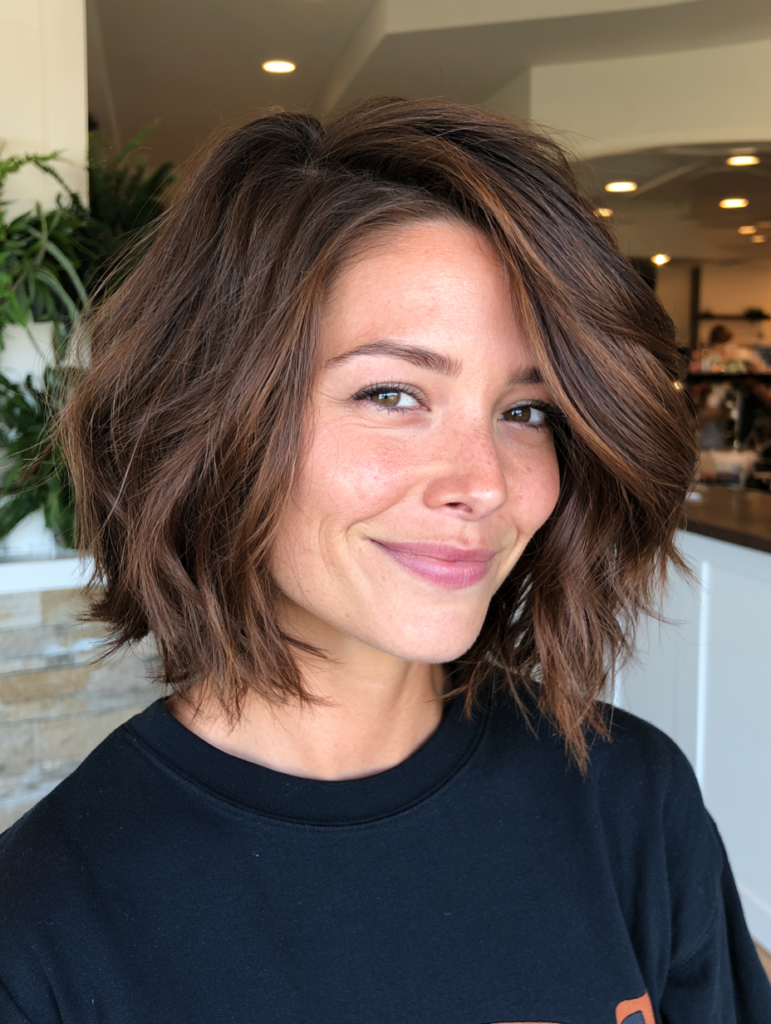
Concentrate movement through the upper layers while preserving a stronger baseline underneath. A lightweight texture spray can provide grip and encourage separation without flattening the roots. Finger-styling works particularly well for creating an effortless finish. This variation gives the traditional stacked shape a contemporary personality while maintaining the fullness finer strands need.
Stacked Bob With Wispy Bangs
Wispy bangs bring delicate softness to a structured stacked bob without requiring a large section of fine hair. Their lightweight appearance complements the fuller crown while allowing the main haircut to retain valuable density through the sides.
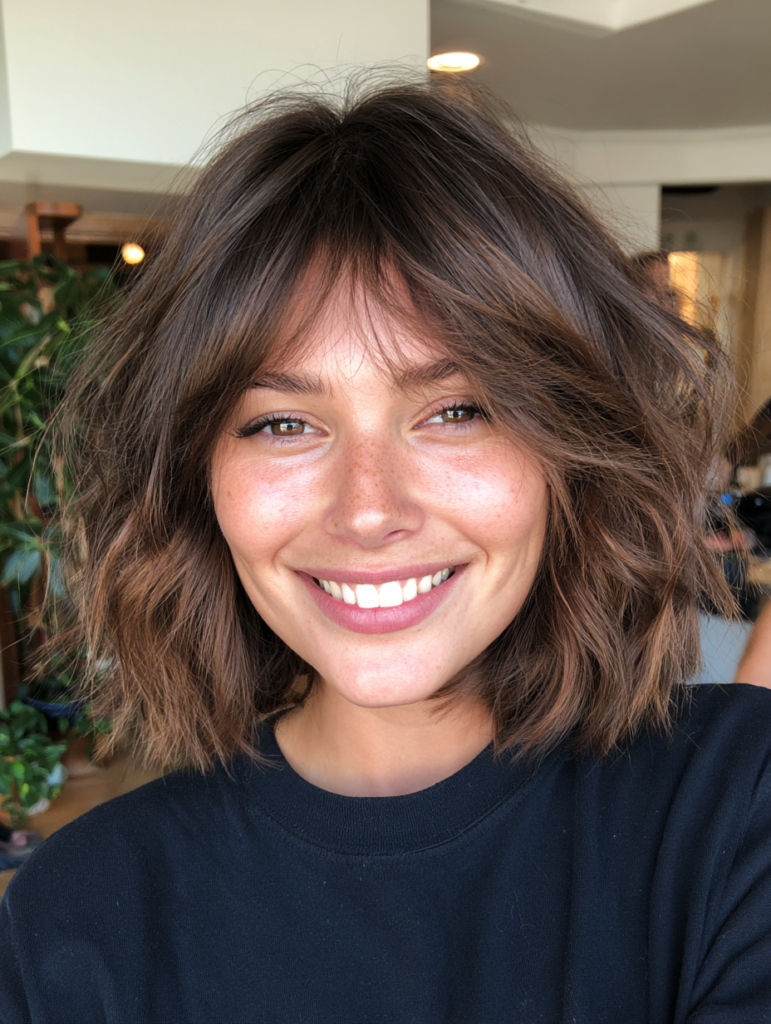
Keep the fringe separated rather than cutting it into a heavy horizontal line. Subtle graduation behind the head provides elevation, while a solid perimeter creates the impression of thicker ends. Styling with lightweight mousse and a small round brush can enhance both areas, producing a balanced haircut that feels feminine, airy, and easy to maintain.
Inverted Stacked Bob
An inverted stacked bob features pronounced graduation through the back with progressively longer sections moving toward the front. The combination creates noticeable shape while allowing thin hair to maintain more length and density around the face.

Avoid making the stacked layers excessively short, since moderate graduation usually produces a fuller-looking result on delicate strands. Blow-dry the crown upward before smoothing the longer front pieces downward. This contrast highlights the haircut’s architecture while preserving movement. The finished bob offers a sophisticated option when you want structure without sacrificing softness or styling flexibility.
Wavy Stacked Bob
Soft waves can transform a stacked bob by adding movement and dimension to its graduated structure. The built-in crown lift supports the texture, while fuller ends help thin hair avoid appearing sparse once the waves are introduced.
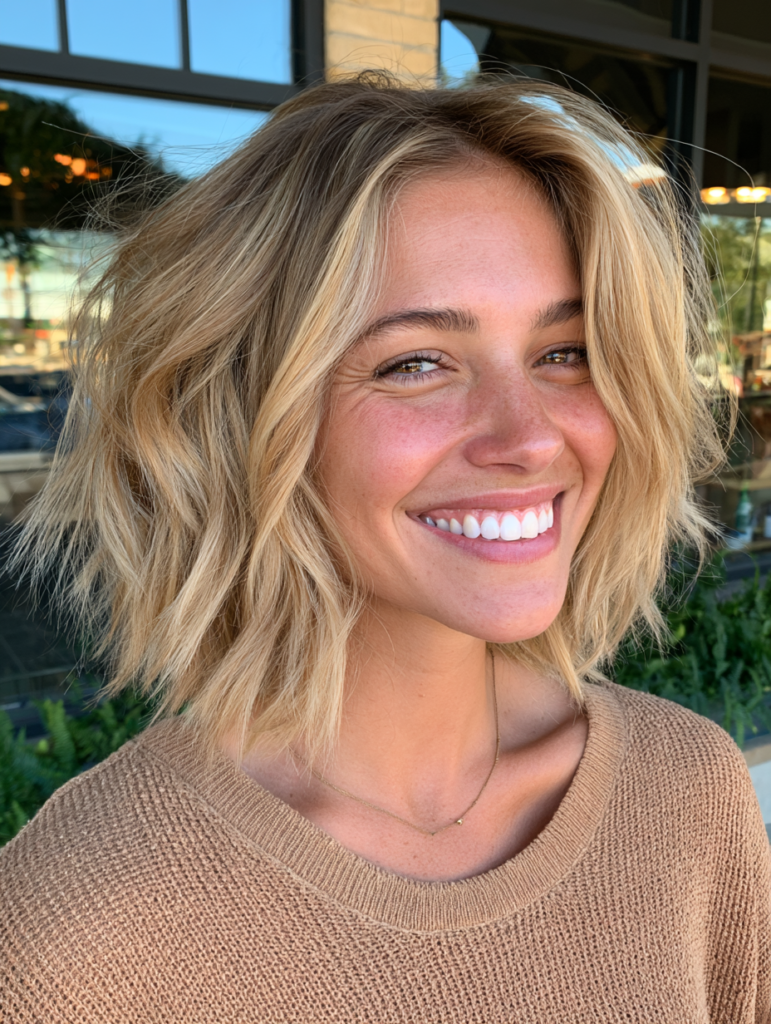
Create broad bends through the longer sections rather than tightly curling every strand. Leaving the shortest stacked layers comparatively smooth keeps the silhouette controlled and prevents excessive volume. A light texture mist can provide separation and hold without stiffness. This relaxed interpretation is ideal when you want the benefits of graduation with a softer, less polished finish.
Rounded Stacked Bob
A rounded stacked bob uses carefully blended graduation to create a smooth, curved silhouette through the back. This controlled fullness can make thin hair appear denser, particularly when the layers remain soft and the perimeter retains sufficient weight.

Blow-drying with a round brush reinforces the shape while providing gentle root elevation near the crown. Keep the sides slightly longer to balance the shorter back and avoid an overly compact appearance. This polished bob suits anyone who prefers classic styling and wants reliable volume without relying on dramatically choppy layers or exaggerated texture.
Stacked Bob With Longer Front Pieces
Longer front pieces create contrast against the shorter stacked back, giving thin hair a structured silhouette without sacrificing valuable density around the face. The extended sections also make the haircut feel contemporary while preserving styling flexibility.
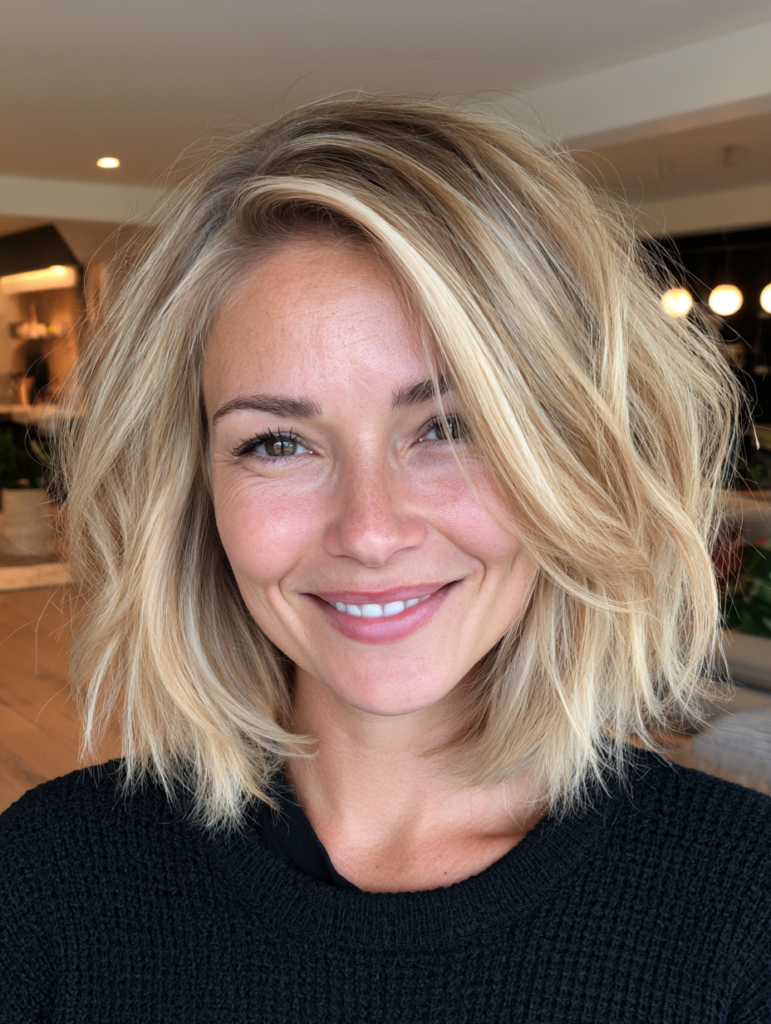
Keep the graduation concentrated behind the head and blend it carefully into the sides. A smooth finish showcases the difference in length, although gentle bends can soften the overall shape. Lightweight root spray provides additional crown elevation without weighing down the front. This variation offers noticeable structure while maintaining a flattering sense of movement and fullness.
Choppy Stacked Bob
A choppy stacked bob introduces irregular surface layers that give the graduated shape additional movement and personality. Strategic separation can make thin hair appear more dimensional, provided the underlying perimeter remains strong and relatively full.

Avoid excessive razor work that removes too much density from delicate strands. Instead, create texture through selected upper sections and leave the lower layers more substantial. Dry texture spray can emphasize individual pieces while preserving root lift. The resulting haircut feels modern and slightly undone, offering an energetic alternative to smoother, traditionally polished stacked bob silhouettes.
Side-Parted Stacked Bob
A side part works beautifully with a stacked bob because shifting the hair naturally increases volume through one side of the crown. Combined with graduated back layers, this creates noticeable lift without requiring complicated styling or excessive product.
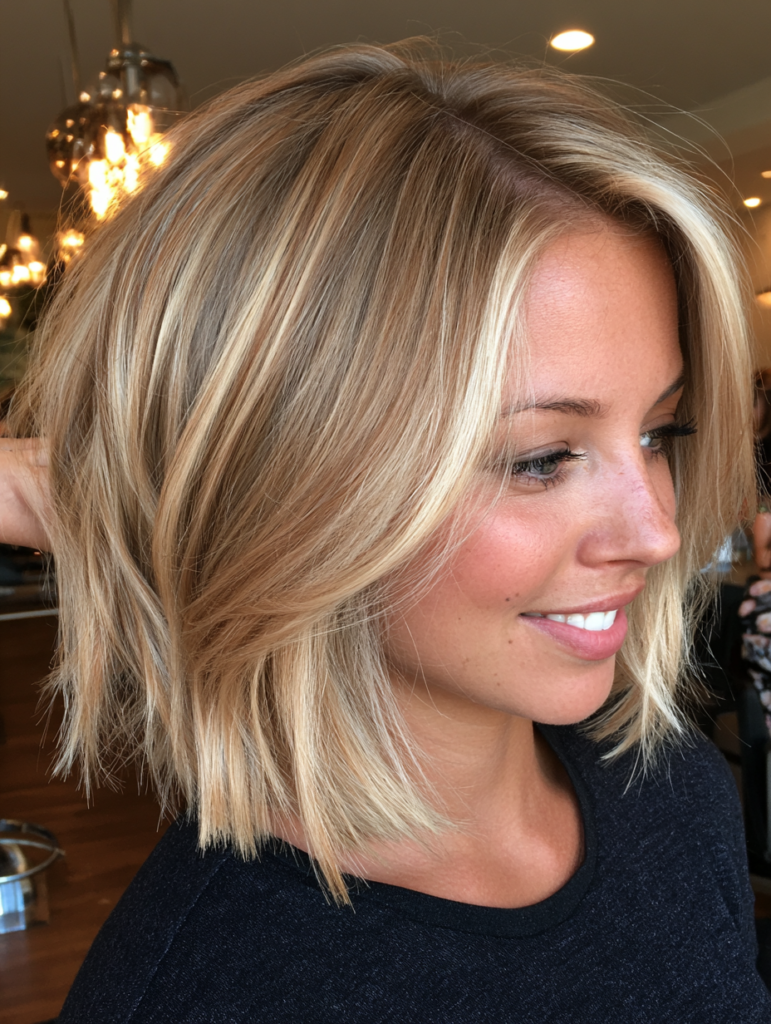
Keep the opposite side sleek enough to maintain balance while allowing the fuller section to move naturally. A strong perimeter through the front helps thin strands look more substantial. Switching the part occasionally can revive flattened roots, making this variation practical when you want a short bob that maintains fresh-looking volume between styling sessions.
Building Lasting Lift Into a Stacked Bob
Styling short stacked bob haircuts for thin hair begins with emphasizing the graduation rather than fighting it. Apply lightweight volumizing mousse or root spray before blow-drying the crown upward with a small round brush. Work through the shortest back sections first, then smooth the longer sides and front into their intended shape.
For textured versions, use dry texture spray sparingly and separate selected pieces with your fingers. Broad bends work better than tight curls when additional movement is desired. Avoid heavy oils and thick creams near the roots because they can quickly collapse the elevation created by the stacked layers.
Final Thoughts
Short stacked bob haircuts for thin hair offer a practical way to create volume through thoughtful cutting rather than constant styling. Carefully graduated layers provide crown elevation, while substantial perimeters and longer front pieces help maintain the appearance of density throughout delicate strands.
The amount of stacking should complement your natural hair density and preferred finish. Soft graduation provides understated fullness, while inverted or angled versions create stronger definition. Textured and wavy styles introduce movement when you want something less polished. With balanced layering and lightweight styling, a stacked bob can give thin hair lasting shape without sacrificing its natural softness.
