short bob haircuts for fine thin hairBob haircuts for thin hair round face shapes need to accomplish two things beautifully: preserve the appearance of density while creating flattering definition around softer facial proportions. Strategic length, subtle layering, asymmetric parting, and controlled volume can make fine strands appear more substantial without adding unnecessary width around the cheeks.
The most effective styles usually keep a strong perimeter and introduce movement carefully. Angled fronts, collarbone lengths, lightweight waves, and diagonal fringes can create visual direction while maintaining fullness. Whether you prefer something sleek or tousled, a thoughtfully shaped bob can make thin hair feel fresh, balanced, and considerably easier to manage.
Why This Flattering Bob Combination Has Staying Power
A bob remains particularly useful for thin hair because removing excess length can prevent finer strands from becoming weighed down. When the perimeter stays relatively full, the ends appear denser, while thoughtful shaping can complement the naturally curved proportions of a round face.
These haircuts also offer plenty of room for personalization. Slight graduation can encourage crown volume, longer front pieces can establish vertical lines, and side parts introduce asymmetry. Because each detail can be adjusted independently, the bob can evolve with changing preferences while preserving its flattering foundation.
Angled Bob With Full Ends
An angled bob keeps the back slightly shorter while allowing the front sections to extend beneath the jaw. Those longer pieces create vertical direction around a round face, while a substantial perimeter helps thin hair appear noticeably denser.
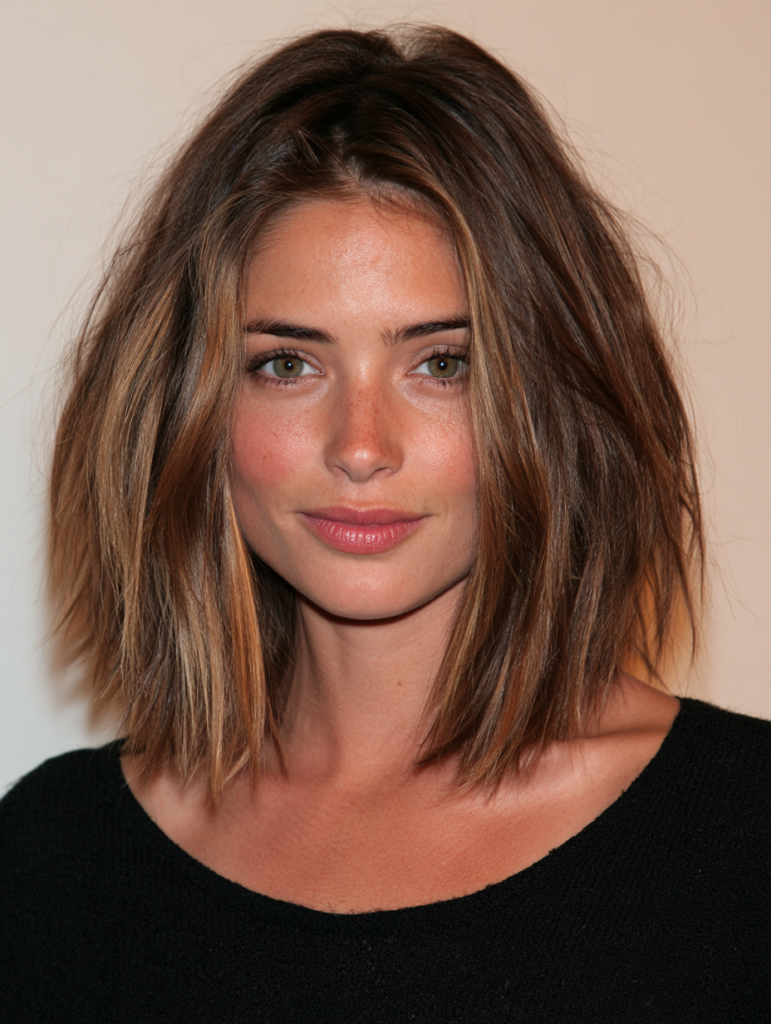
Keep graduation subtle so valuable fullness is not removed unnecessarily from the lower sections. A smooth blowout highlights the forward angle and provides controlled root lift without creating width beside the cheeks. This structured shape offers an excellent combination of definition and density while remaining straightforward enough for regular styling.
Side-Parted Blunt Bob
A side-parted blunt bob creates immediate asymmetry while maintaining a strong baseline that makes thin strands appear fuller. Positioning the perimeter slightly below the chin helps establish length around the face instead of emphasizing its widest areas.
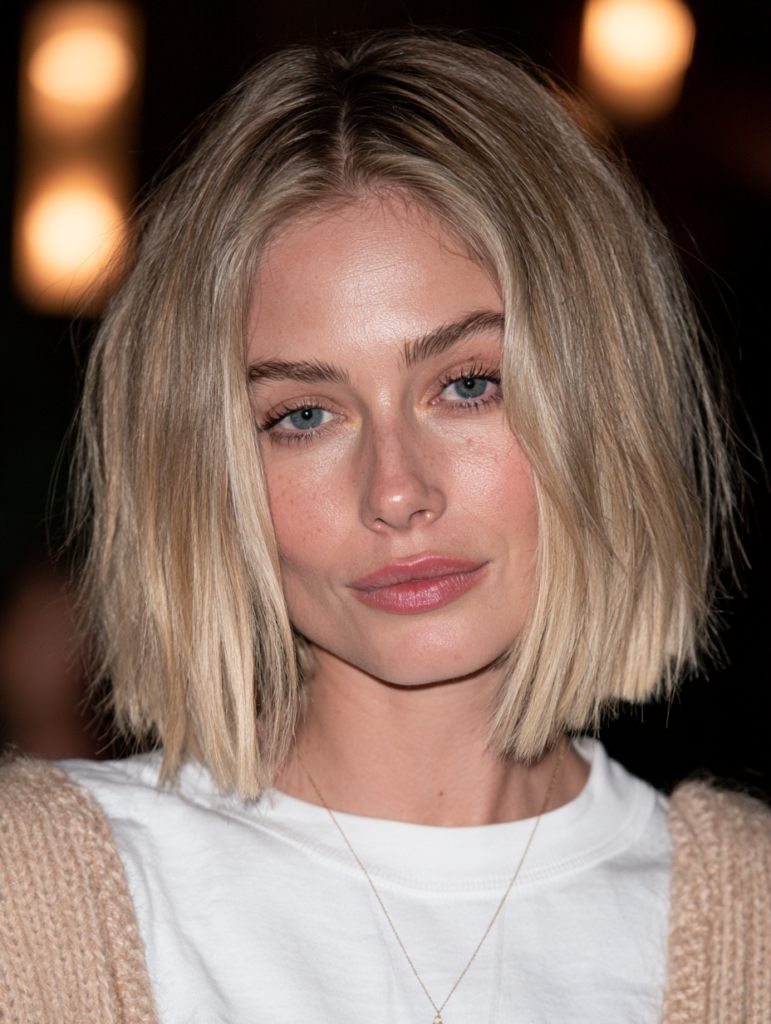
Shifting more hair toward one side can naturally increase crown volume without requiring extensive layers. Keep the lengths mostly smooth and introduce a slight bend toward the ends for gentle movement. This uncomplicated combination works particularly well when you want a polished haircut that provides visual density while remaining relatively easy to maintain.
Long Bob With Face-Framing Layers
A long bob falling toward the collarbone provides vertical framing that can beautifully complement a round face. Carefully placed face-framing layers add movement without sacrificing the density thin hair needs through its main perimeter.
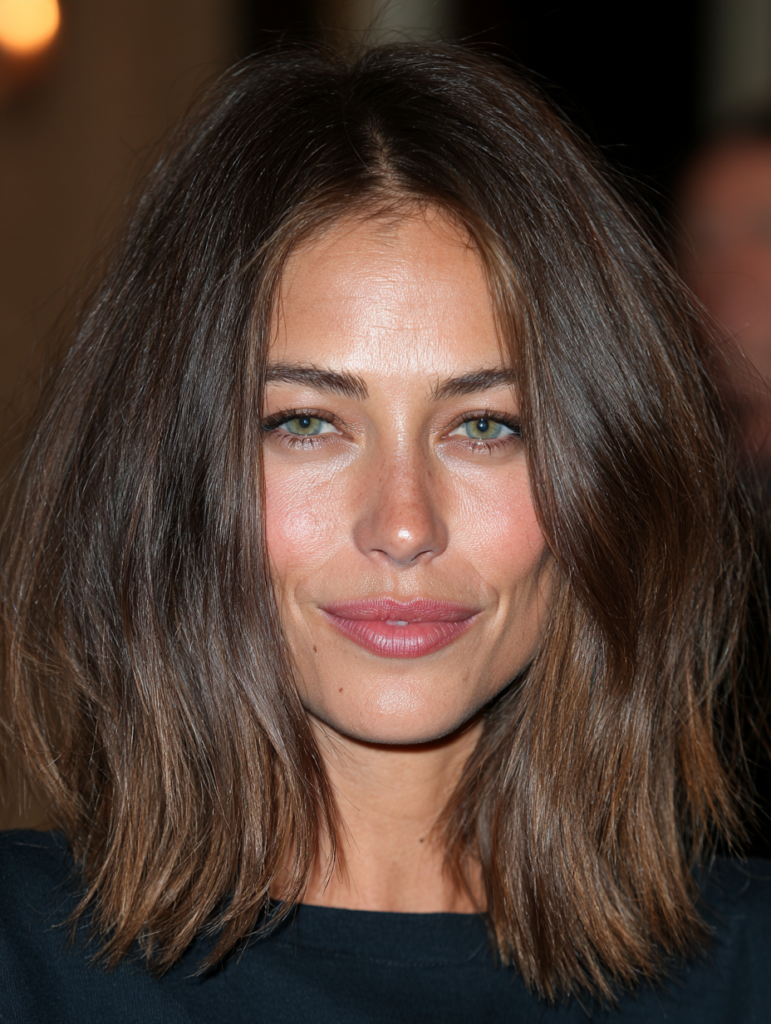
Begin the shortest pieces beneath the cheekbones so they direct attention downward rather than creating additional width through the sides. Broad bends can emphasize those layers while keeping the overall texture soft. This longer variation also provides greater styling flexibility, making it practical when you want the benefits of a bob without committing to dramatically shorter hair.
A-Line Bob With Side Bangs
An A-line bob gradually lengthens toward the front, creating strong directional lines while preserving substantial-looking ends. Side bangs reinforce the diagonal movement and provide softness across the forehead without enclosing a round face.
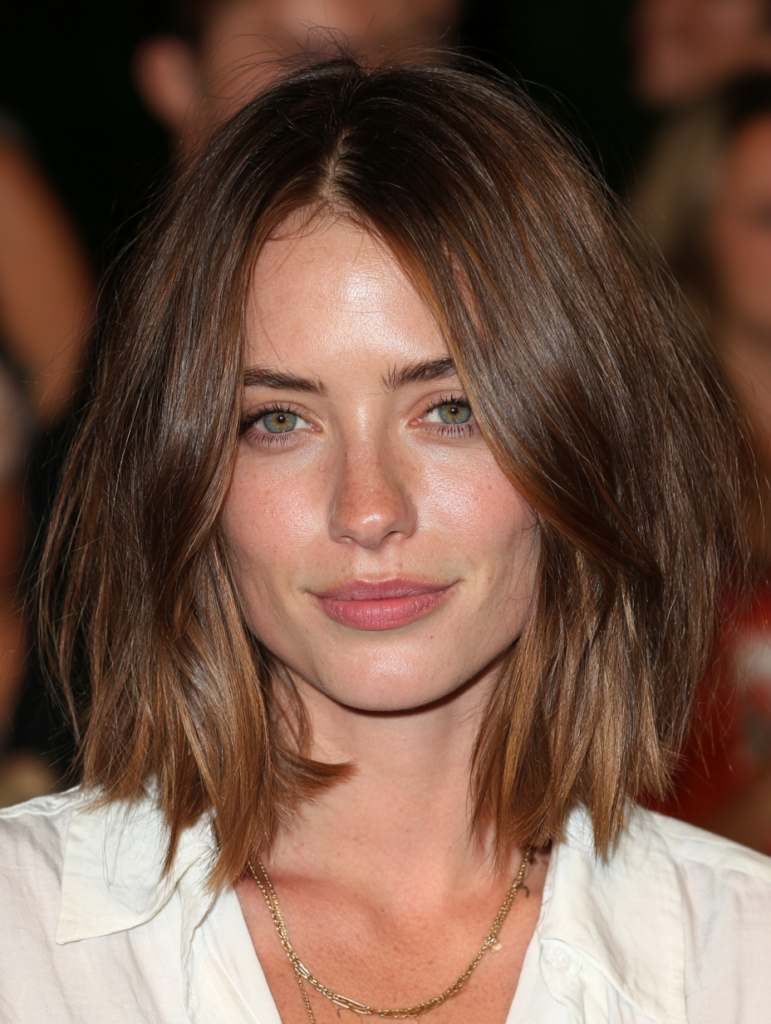
Avoid excessive stacking through the back because thin hair can quickly lose valuable density when heavily graduated. Instead, maintain a moderate angle and gently lift the crown during blow-drying. The combination of fuller ends, longer front pieces, and sweeping fringe produces a polished silhouette that feels modern while addressing both facial balance and finer hair texture.
Textured Lob With Soft Waves
A textured lob introduces dimension through loose movement while retaining enough length to frame a round face vertically. Soft waves can make thin hair appear fuller, especially when the bends remain broad rather than tightly separated.

Keep the roots comparatively smooth with gentle lift at the crown, then begin stronger texture below the cheekbones. A solid perimeter ensures the ends still appear substantial beneath the waves. Lightweight texture spray can provide additional body without weighing down finer strands, creating a relaxed style that looks dimensional while maintaining a flattering elongated silhouette.
Graduated Bob With Crown Volume
Gentle graduation through the back can provide thin hair with useful elevation, particularly when natural volume tends to disappear quickly. Concentrating that lift near the crown helps create vertical balance for round facial proportions.
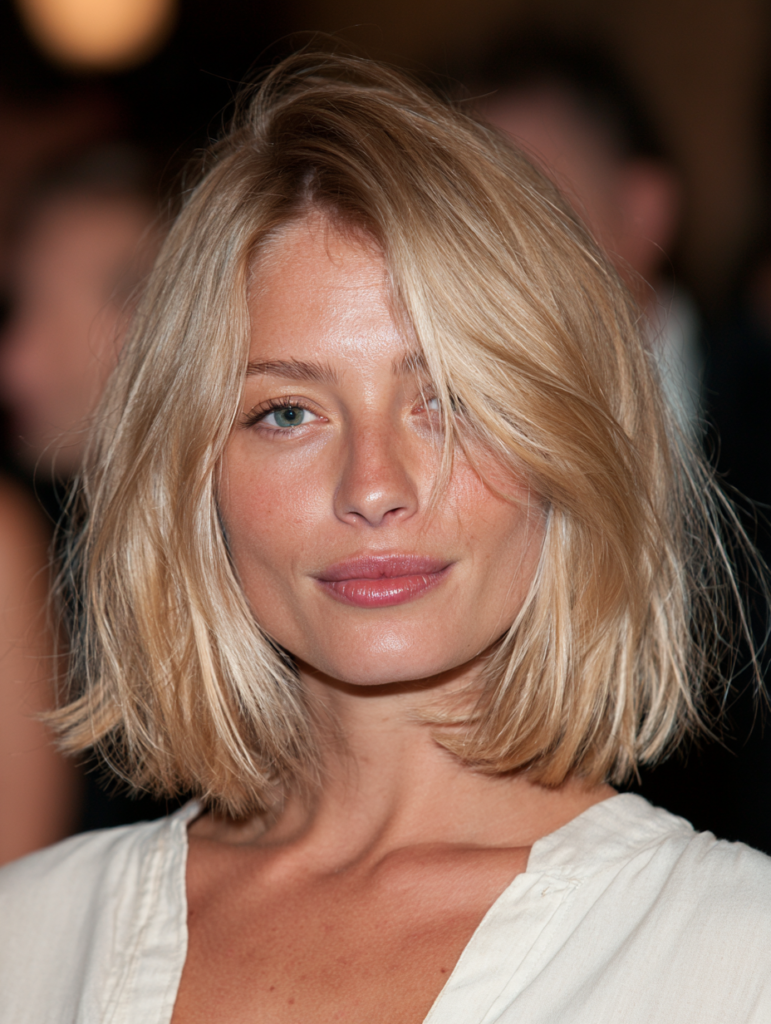
Keep the sides relatively streamlined and allow longer front pieces to extend toward or below the jaw. Avoid dramatic stacking because removing too much hair can make the perimeter appear sparse. A small round brush can enhance root elevation during blow-drying, giving this structured bob noticeable shape while maintaining enough density for a healthy, substantial-looking finish.
Asymmetrical Bob
An asymmetrical bob uses intentionally different lengths to introduce diagonal movement around a round face. Keeping one side slightly longer draws the eye downward, while the uneven shape prevents the hairstyle from emphasizing facial symmetry.

Thin hair benefits when both sides retain a relatively blunt perimeter rather than becoming heavily layered. A deep side part can further boost root volume and strengthen the directional effect. Styled smooth, the contrasting lengths appear sharp and sophisticated, while gentle bends can soften the silhouette without compromising the fuller-looking ends that make this haircut effective.
Sleek Collarbone Bob
A sleek collarbone bob creates long vertical lines around the face while maintaining enough length for versatile everyday styling. Keeping the perimeter blunt gives thin strands greater visual density, particularly when the ends naturally tend to appear delicate.

Instead of flattening the roots completely, maintain gentle crown lift for additional dimension. A center or slightly off-center part can emphasize the streamlined shape, while minimal face-framing pieces provide subtle movement. This sophisticated bob works especially well when you prefer polished hair but still want a cut that supports fullness and facial balance.
Layered Bob With Side-Swept Fringe
Long, restrained layers can provide movement without removing excessive density from thin hair. Pairing them with a side-swept fringe introduces diagonal direction across the forehead, which can complement the softer symmetry of a round face.
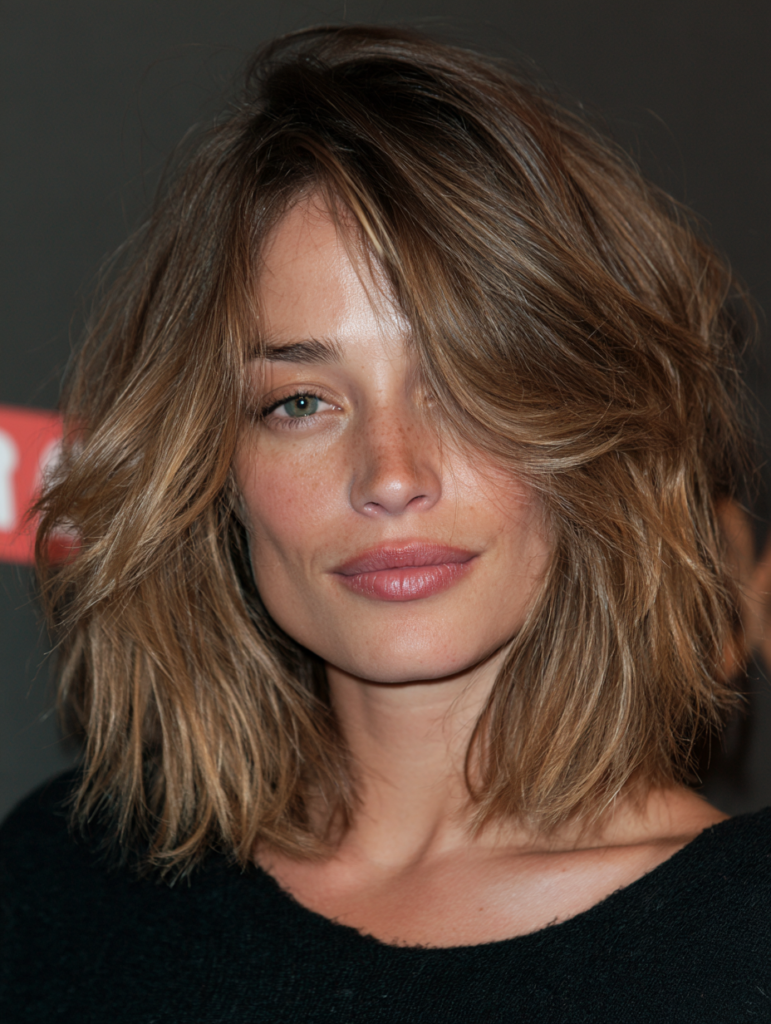
Keep the shortest layers away from the fullest cheek area and concentrate movement closer to the jaw. The fringe should remain lightweight enough to blend naturally into the sides without leaving the front sparse. Gentle root lift and a smooth finish can make this bob appear fuller while preserving its soft, flattering shape.
Choppy Bob With Longer Front Pieces
A choppy bob introduces lively texture while longer front sections create useful vertical framing around a round face. Strategic separation can make thin hair appear more dimensional, provided the ends are not aggressively thinned.
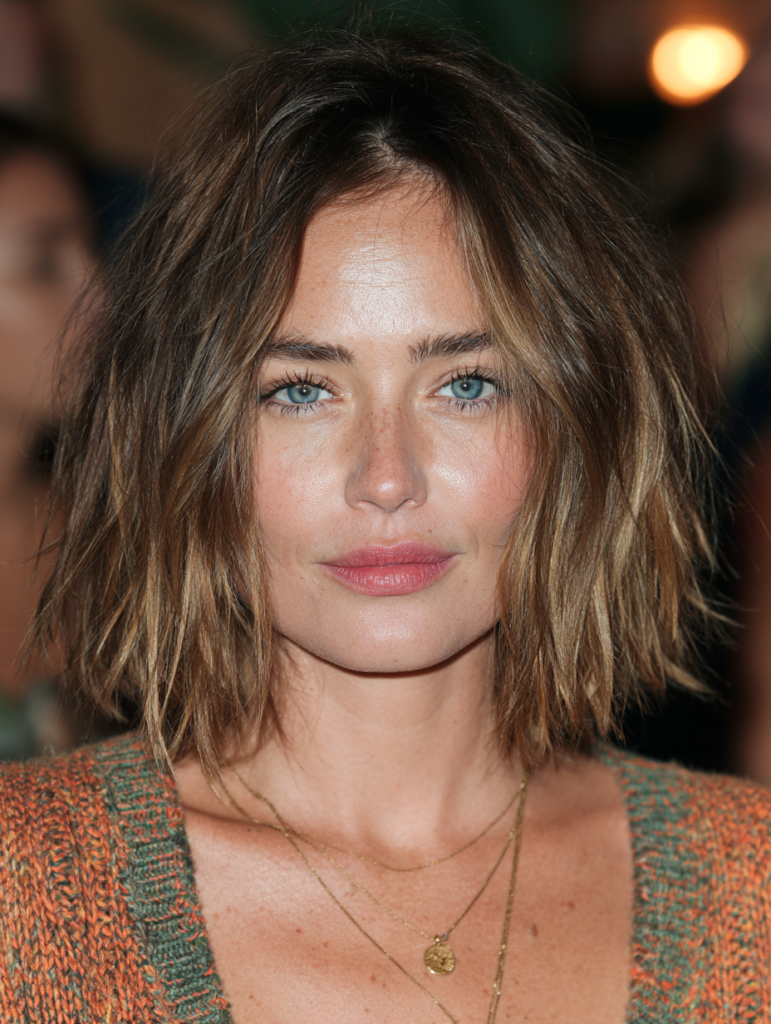
Keep most choppiness within selected surface layers while preserving a stronger perimeter underneath. Longer pieces near the jaw help establish definition and maintain the recognizable forward movement of the haircut. A small amount of dry texture spray can enhance separation without creating heaviness, giving this bob an intentionally relaxed finish with plenty of visual interest.
Wavy Side-Parted Bob
Loose waves can give thin hair a fuller appearance, while a side part creates flattering asymmetry for round facial proportions. Keeping the strongest movement below the cheekbones prevents the hairstyle from becoming excessively wide through the middle.
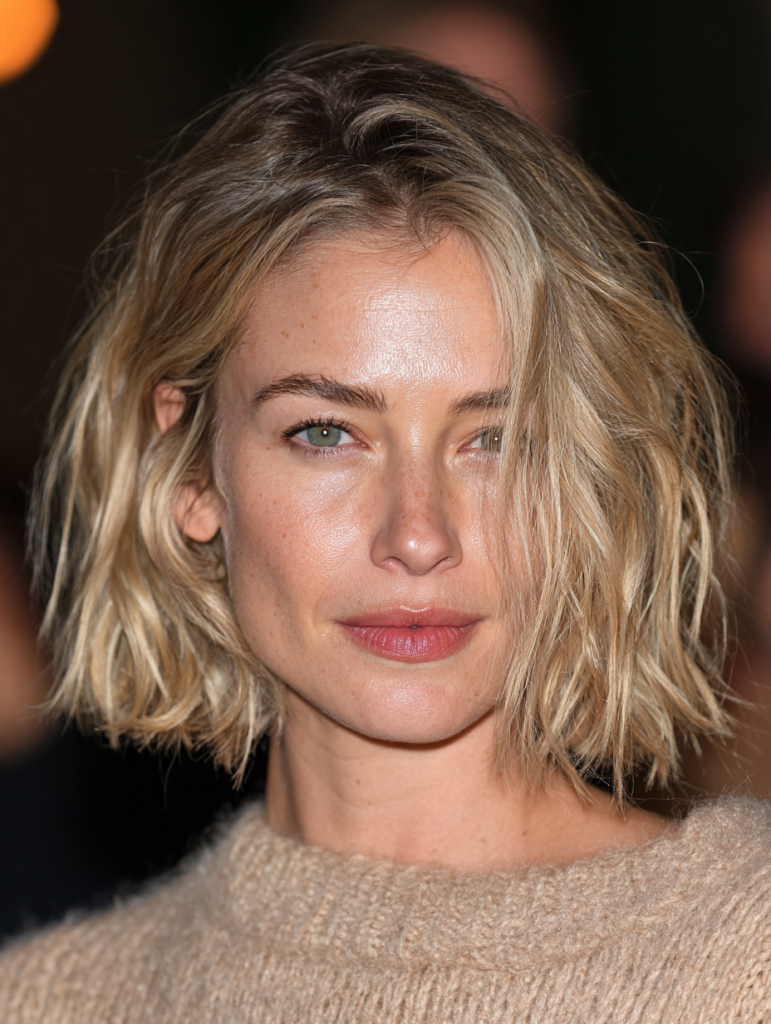
Alternate wave directions to create natural dimension rather than forming identical curls around the head. Gentle crown lift can further elongate the overall silhouette while maintaining softness. Finish with lightweight hairspray or texture mist instead of heavy creams, allowing the waves to remain airy, separated, and flexible throughout the day.
Inverted Bob With Subtle Stacking
An inverted bob creates controlled elevation through the back while gradually extending into longer sections around the face. For thin hair, subtle stacking provides shape without removing the density needed for a fuller-looking perimeter.
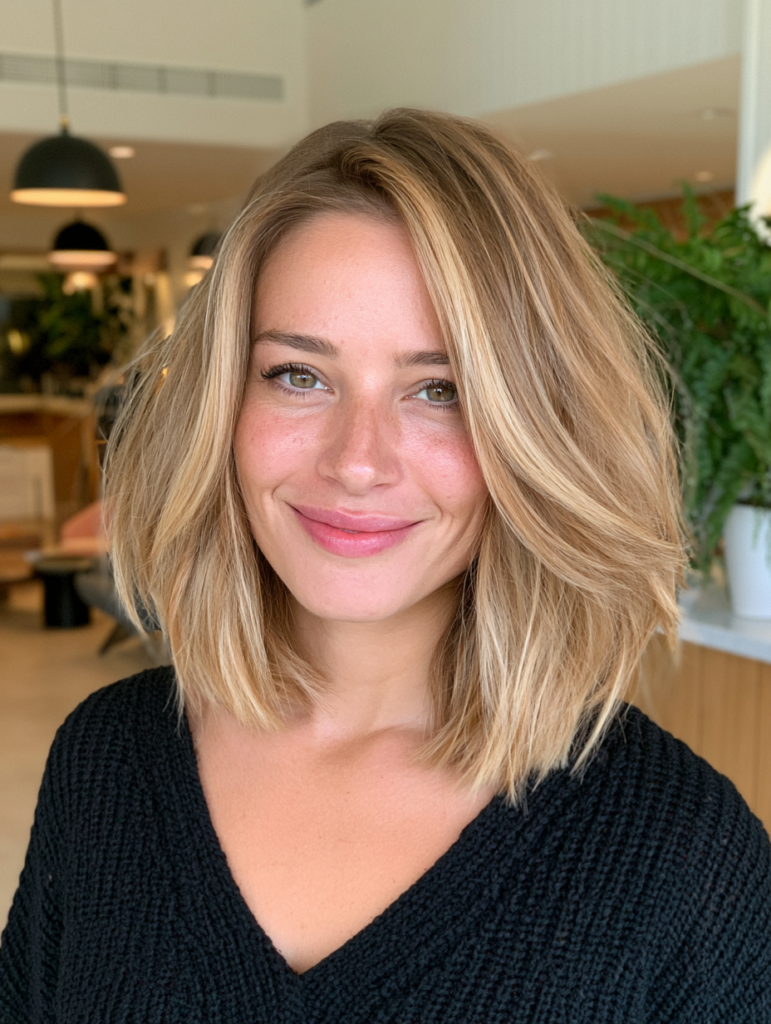
Allow the front pieces to fall below the jaw so they establish length beside rounded cheeks. Keep the graduation smooth rather than dramatically layered, and focus styling volume near the crown. A polished blowout showcases the architecture beautifully, while slight bends through the ends can provide softness without hiding the haircut’s flattering forward direction.
Creating Volume Without Widening the Face
Styling bob haircuts for thin hair round face shapes requires thoughtful volume placement. Begin with lightweight root mousse and lift the crown while blow-drying, keeping the sections directly beside the cheeks comparatively controlled. A side part can create instant asymmetry, while longer front sections should generally fall downward or slightly away from the face.
When adding waves, begin the strongest bends below the cheekbones and keep them broad. Dry texture spray can create fullness without the weight of thick creams or oils. For sleek styles, maintain subtle root elevation rather than pressing the entire haircut completely flat.
Final Thoughts
Bob haircuts for thin hair round face shapes can successfully combine fuller-looking density with flattering facial definition. Strong perimeters support finer strands, while angles, asymmetry, longer front sections, and strategically positioned texture create movement without concentrating unnecessary width around the cheeks.
The ideal bob ultimately depends on how much length and daily styling you prefer. A blunt side-parted cut offers simplicity, while an angled or inverted shape provides stronger structure. Longer lobs give greater versatility, and soft waves introduce dimension. Choosing thoughtful proportions can make your bob feel balanced, contemporary, and naturally suited to your hair.
